 Canada

Play Money Casino Blackjack: A Practical Decision Guide
If you’re weighing whether a social-style blackjack table suits your habits, the first thing to settle is what you actually want from the session. Play money casino blackjack isn’t a wagering product, and it never pretends to be one, so the decision comes down to practice, pacing, and how much friction you’re comfortable with before you ever touch a real table. Across Melbourne cafés and late-night sessions, players tend to treat these environments as a low-pressure way to test a betting pattern or read a shoe, and that mindset usually shapes whether the experience feels useful or just noisy. You might also glance at a heaps of wins casino no deposit bonus codes 2022 page when you’re comparing how different operators frame their welcome incentives, though social tables and real-money offers sit in completely separate lanes.
What the format actually focuses on
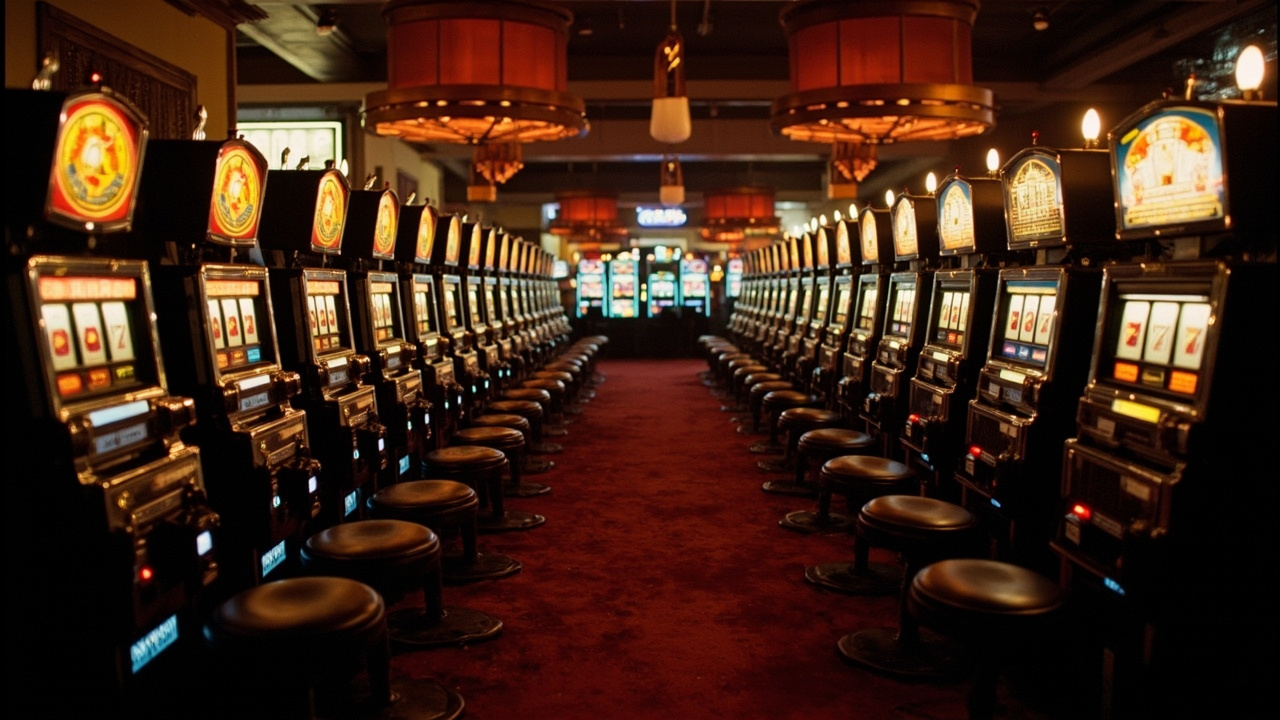
The core of play money casino blackjack is straightforward: you get a balance that has no cash value, you make the same hitting, standing, doubling, and splitting decisions you would at a paid table, and the interface handles the rest. What distinguishes a decent implementation is how closely the pacing mirrors a real floor. Some platforms sprint through hands so fast that you’re barely reading the dealer card before the next round loads, while others slow the tempo down enough that you can actually track the count and test a conservative line. The everyday usability usually hinges on whether the bet sliders, split animations, and result pop-ups are readable on a phone without squinting, because that’s where most players end up spending their arvo.
A second trait worth weighing is how the platform handles the social layer. Leaderboards, daily missions, and cosmetic rewards can make a free table feel lively, but they also introduce a different kind of pressure if the rewards are tied to volume rather than skill. In my experience writing CRM journeys for social casino products, the retention curve flattens fast when the only hook is a spinning progress bar; players stick longer when the loop rewards a decision they actually made, like folding a weak hand rather than chasing a bonus round. That distinction matters because a practice table that feels like a Skinner machine won’t help you build discipline when you eventually switch to a real-money environment.
How to weigh the table against your own needs
How the practice loop behaves
If your goal is to learn basic strategy or shake out a betting rhythm, the most useful tables are the ones that let you repeat the same situation without rushing you. That means a shoe that reshuffles cleanly, a clear display of the dealer upcard, and enough pause between rounds to actually think. I’ve seen platforms where the animations are polished but the math underneath is rushed, so you finish a session feeling busy as a bee without having tested a single decision properly. The better setups let you adjust stakes in the free balance, reset a hand, or sit out a round without penalising your streak, which is the kind of control that actually translates into better habits later.
It also helps when the platform separates cosmetic rewards from gameplay incentives. A modest daily login gift or a themed table skin is fine, but when the platform nudges you toward higher-volume play just to keep a meter filled, the practice value gets muddied. Samuel Lewis, Commercial Director, Swan River Interactive, puts it plainly: “A free table only earns its keep when the decision loop is honest, because players who learn on a skewed pace usually carry that habit into a real table and wonder why the numbers feel off.” That’s the kind of caveat worth keeping in mind before you commit any time to a particular app.
What the limits and setup mean for you
Before you settle on a table, check the practical boundaries. Registration on most social blackjack products is light – often an email or social login – and the balance is usually topped up automatically or through simple in-app claims rather than a full payment flow. That keeps the barrier low, but it also means you should treat the numbers as a practice score rather than a bankroll. Currency display can be anything from a generic coin to a stylised dollar figure, and none of those values map to real withdrawals, so the only thing that matters is whether the denominations feel readable when you’re testing a split or a double-down.
Mobile fit matters more than most players admit at first. If the bet controls are buried behind menus, or the result text is too small to read on a commute, the table stops being useful and starts being a distraction. Zoe Lee, Product Analytics Lead, Oceanic Gaming Strategy, notes that “engagement on free blackjack usually peaks when the tap targets and hand history are easy to scan, because players return when they can actually check what they did wrong.” Liam Foster, Marketing Director, Coastal Wager Research, adds a useful caution: “When a social table leans too hard on leaderboards, it can attract the wrong kind of session length, and that’s where the practice benefit starts to slip.” Neither comment is a verdict on any single product, but both point to the same practical test: if the table helps you think clearly, it’s doing its job.
Linking the format to what you actually want
The decision really comes down to what you’re trying to get out of the session. If you want a low-stakes way to rehearse basic strategy, read a dealer upcard, or simply pass time without any cash pressure, a well-built free blackjack table can be a sensible fit. If you’re looking for a pathway into real wagering, treat it as a separate category entirely and don’t expect the social loop to mirror a licensed floor. Australian players should keep in mind that any real-money play has its own rules and operator standards, and a social practice environment doesn’t change that landscape.
A solid way to judge a table is to run a short session with a clear aim: test a single strategy line, note how the pacing feels, and decide whether the interface helps or distracts. If the hand history is easy to read, the animations don’t rush your decisions, and the rewards stay decorative rather than coercive, the table is probably worth keeping on your shortlist. No worries if it doesn’t – the point is to find a practice setup that matches the way you actually play, not one that simply looks busy.
Once you’ve identified a table that respects your time and decisions, you can explore platforms that support this kind of focused play without unnecessary friction. For those looking to extend their session risk-free, checking out the heaps of wins casino no deposit bonus codes 2022 at https://heapsowins100bonus.com/ might offer a suitable starting point. This allows you to verify the software’s feel with real stakes while keeping your initial investment minimal.
- Basic strategy – a set of mathematically derived decisions for when to hit, stand, double, or split based on your hand and the dealer’s upcard.
- Shoe – the device that holds and deals multiple decks in blackjack, often reshuffled at set intervals.
- Double-down – a move where you double your original bet in exchange for receiving exactly one more card.
- Split – a option that lets you separate a pair into two hands, each with its own bet and play.


